

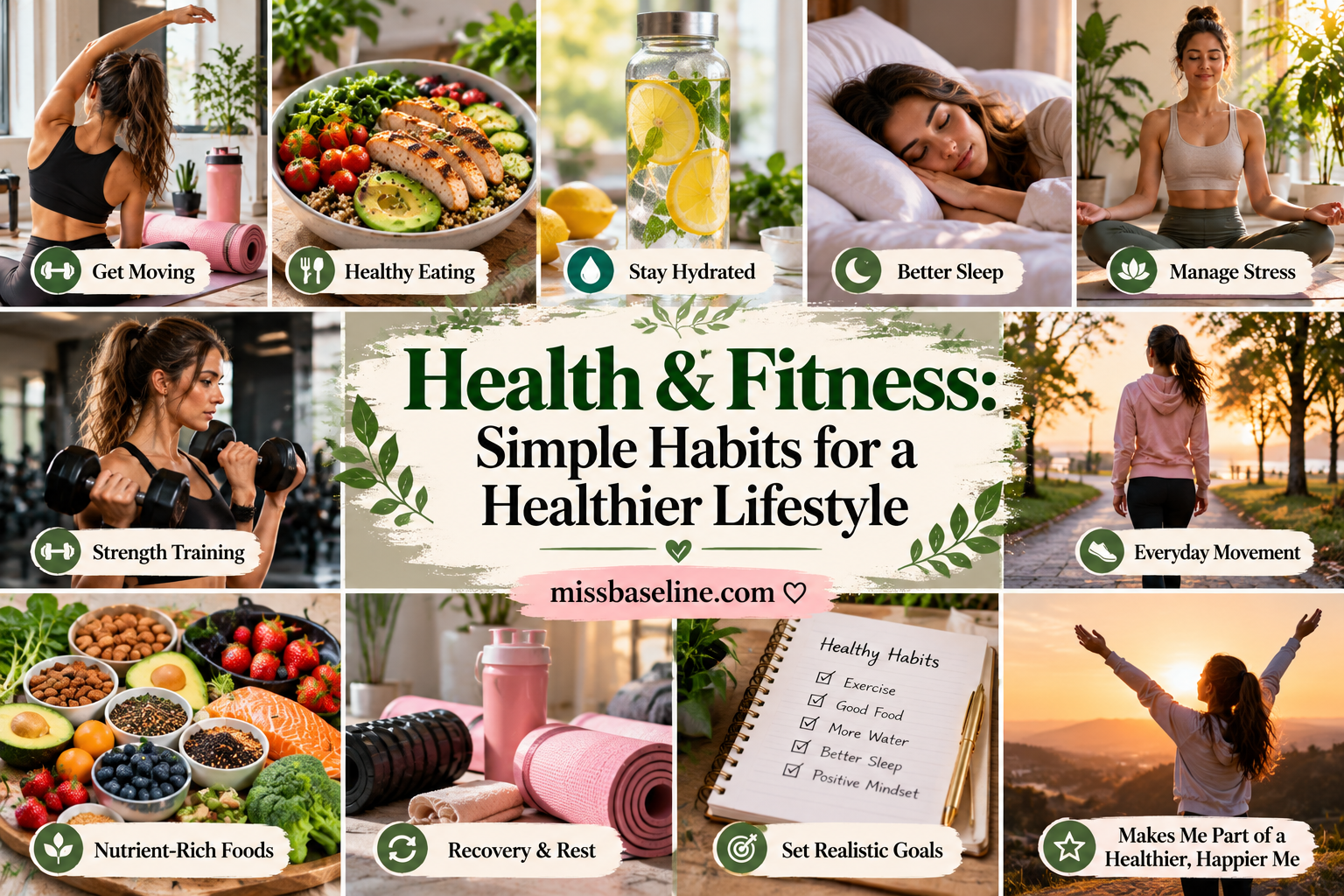
Taking care of your health does not have to mean following an extreme diet, spending hours at the gym, or completely changing your life overnight. A healthier lifestyle is usually built through small choices that you can repeat consistently. From moving your body and eating balanced meals to sleeping well and managing everyday stress, health and fitness are about creating habits that support your physical and mental well-being over time.Whether you are just starting your fitness journey or trying to get back into a healthy routine, the goal should be progress you can maintain not perfection.
Build a Fitness Routine You Can Actually Maintain
One of the biggest mistakes beginners make is starting with an unrealistic workout schedule. You might feel motivated enough to exercise every day during your first week, but a routine only works when it fits into your real life.Start with a manageable schedule. Walking, strength training, cycling, swimming, home workouts, or gym sessions can all contribute to your overall fitness. The important part is finding physical activities you enjoy enough to continue. A simple routine might include strength-focused workouts on some days, cardio or brisk walking on others, and adequate recovery between demanding sessions. Consistency over several months is far more valuable than an intense routine you abandon after two weeks.
Strength Training Is for More Than Building Muscle
Strength training isn't only for people who want a muscular physique. Exercises that challenge your muscles can help improve strength and support everyday activities. Resistance can come from gym machines, dumbbells, resistance bands, or your own body weight. Beginners can start with basic movements such as squats, rows, presses, hinges, and appropriately modified bodyweight exercises. Focus on learning good technique before increasing the difficulty. As you become stronger, gradually increasing resistance, repetitions, or training difficulty can help you continue progressing.
Don't Ignore Everyday Movement
A workout may take an hour, but what you do during the rest of your day matters too. If you spend most of your time sitting, look for natural opportunities to move.Take a short walk after a meal. Use the stairs when practical. Stretch after sitting for a long period. Walk while talking on the phone. Do household tasks that get you moving. These choices may seem small individually, but they can make an active lifestyle feel much more natural. You don't have to treat every form of movement as a formal workout for it to count.
Eat to Nourish Your Body, Not Punish It
Healthy eating doesn't require you to label every food as “good” or “bad.”A more sustainable approach is to build most meals around nutritious foods while leaving room for flexibility. Include a variety of vegetables and fruits, whole grains or other fiber rich carbohydrates, protein sources, and healthy fats according to your needs and preferences. Protein can come from foods such as eggs, fish, chicken, dairy, beans, lentils, tofu, and other sources.Instead of chasing a perfect diet, ask a simpler question: Does the way I eat help me feel energized, satisfied, and able to maintain my healthy habits? That mindset is often much easier to sustain.
Hydration Is a Simple Habit Worth Prioritizing
Water supports normal body functions, and your fluid needs can change depending on climate, activity level, diet, pregnancy, health conditions, and other factors. Rather than becoming obsessed with one universal number, make hydration part of your daily routine. Keeping water nearby, drinking with meals, and paying attention to thirst can make it easier to stay adequately hydrated. When you're exercising heavily or spending time in hot weather, your fluid needs may increase.
Make Sleep Part of Your Fitness Plan
People often focus on workouts and nutrition while treating sleep as an afterthought. But recovery is part of fitness. A consistent sleep routine can support energy, concentration, mood, exercise recovery, and overall health. Try creating a regular bedtime and wake up schedule, reducing stimulating activities close to bedtime, and making your sleeping environment comfortable, dark, and quiet. Adults generally need at least seven hours of sleep per night, although individual needs vary.
Give Your Body Time to Recover
More exercise isn't automatically better.Your body needs recovery between challenging workouts. Constantly training hard without enough rest can leave you feeling exhausted and may interfere with performance. Recovery can include rest days, lighter activity, adequate food and hydration, and good sleep. Pay attention to persistent pain rather than trying to “push through” everything. Normal exercise effort and serious pain are not the same thing.
Stop Comparing Your Fitness Journey
Social media can make fitness look unrealistically perfect. You see someone's transformation, workout routine, meal preparation, or body but you usually don't see their genetics, schedule, experience, editing, lighting, resources, or everything else happening behind the photograph. Your progress doesn't need to look like somebody else's. A better comparison is with your own starting point. Maybe you can walk farther than you could a month ago. Perhaps you're lifting a little more weight, sleeping more consistently, preparing more meals at home, or simply exercising regularly for the first time. Those changes matter.
Set Goals Beyond the Number on the Scale
Body weight is only one possible measurement, and it doesn't tell the complete story of your health or fitness. Consider goals based on what you can do. You might aim to complete a certain number of workouts each week, improve your walking endurance, become stronger in a particular exercise, establish a consistent bedtime, or cook more balanced meals. These goals give you something practical to work toward.And when you reach one, you can build on it.
Create a Routine for Busy Days
A healthy lifestyle shouldn't collapse whenever life becomes busy. Have a simpler version of your routine ready for those days. If you don't have time for your normal workout, take a shorter walk or complete a brief home session. If you can't prepare an elaborate healthy meal, choose a simple balanced option instead. Doing something manageable is often better than deciding the entire day is “ruined.”This flexibility is what helps healthy habits survive real life.
Be Careful With Fitness Trends
New diets, supplements, workout challenges, detoxes, and transformation programs appear constantly online. Some may be useful. Others are unnecessary, poorly supported, or potentially unsafe. Be particularly cautious with products or programs promising extremely rapid weight loss, “detoxification,” dramatic transformations, or guaranteed results. Health advice should not depend on an impressive before and after photograph. For medical conditions, injuries, pregnancy, significant dietary changes, or individualized exercise concerns, seek advice from an appropriately qualified healthcare professional.
A Simple Healthy Lifestyle Can Be Powerful
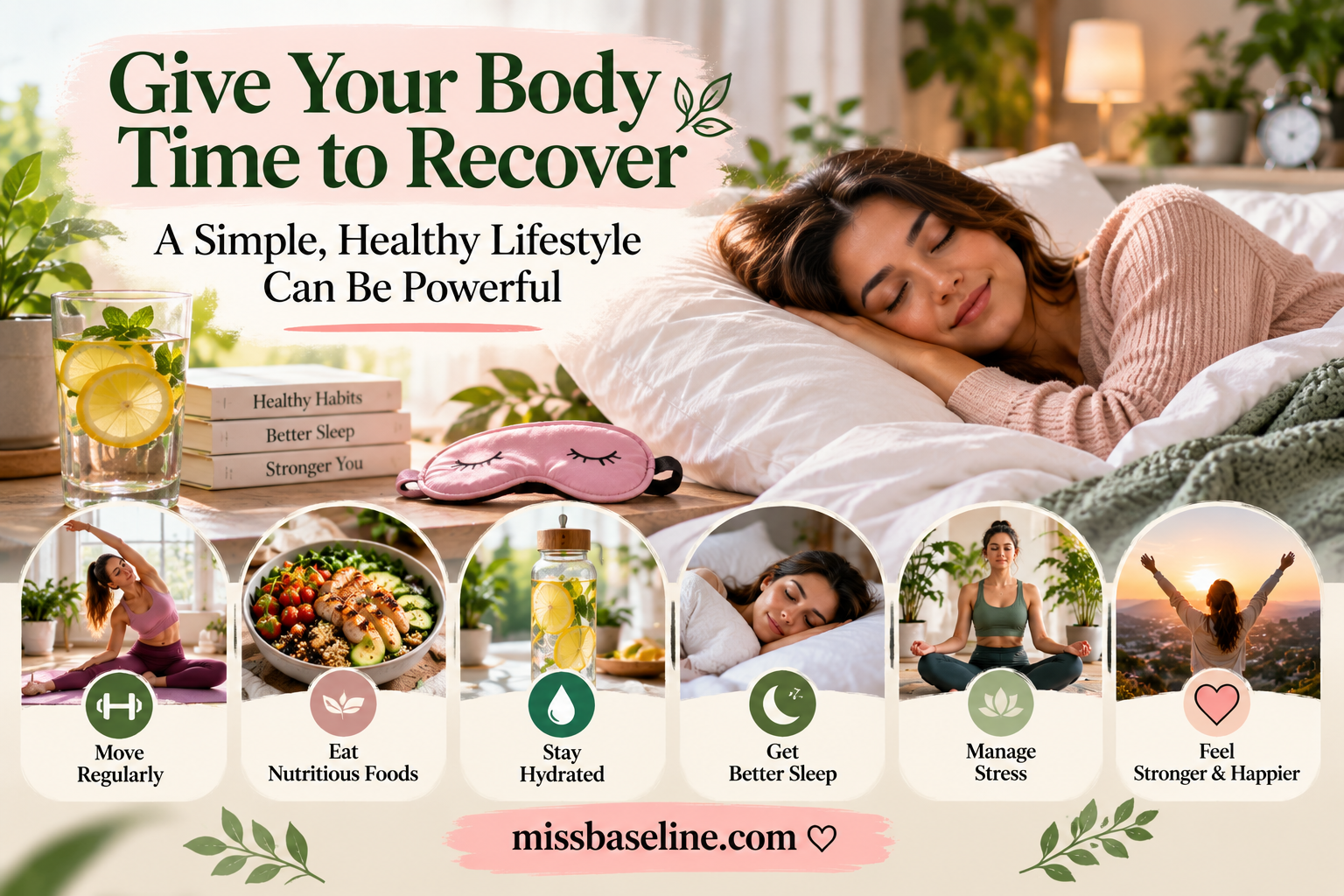
You don't need to rebuild your entire life on Monday morning. Start smaller. Move regularly. Eat nutritious foods most of the time. Drink enough fluids. Strengthen your body. Sleep properly. Give yourself time to recover. Once those habits become normal, you can improve them gradually. The most effective health and fitness routine isn't necessarily the hardest one. It's the one that supports your health, fits your lifestyle, and is realistic enough to continue.
Health and fitness are long-term investments rather than short-term challenges. There will be weeks when your routine goes perfectly and others when work, family, travel, or everyday life gets in the way. That doesn't erase your progress. Return to the basics and keep going. A stronger and healthier lifestyle is rarely created by one dramatic decision. More often, it is built through ordinary choices repeated consistently and those small choices can eventually become a lifestyle you're genuinely comfortable maintaining.